Why December Tastes Like Cinnamon
It’s not just tradition; it’s biology. Why do we collectively crave warming spices the moment the temperature drops?
Why December Tastes Like Cinnamon
The calendar turns to December, and suddenly, the world smells different.
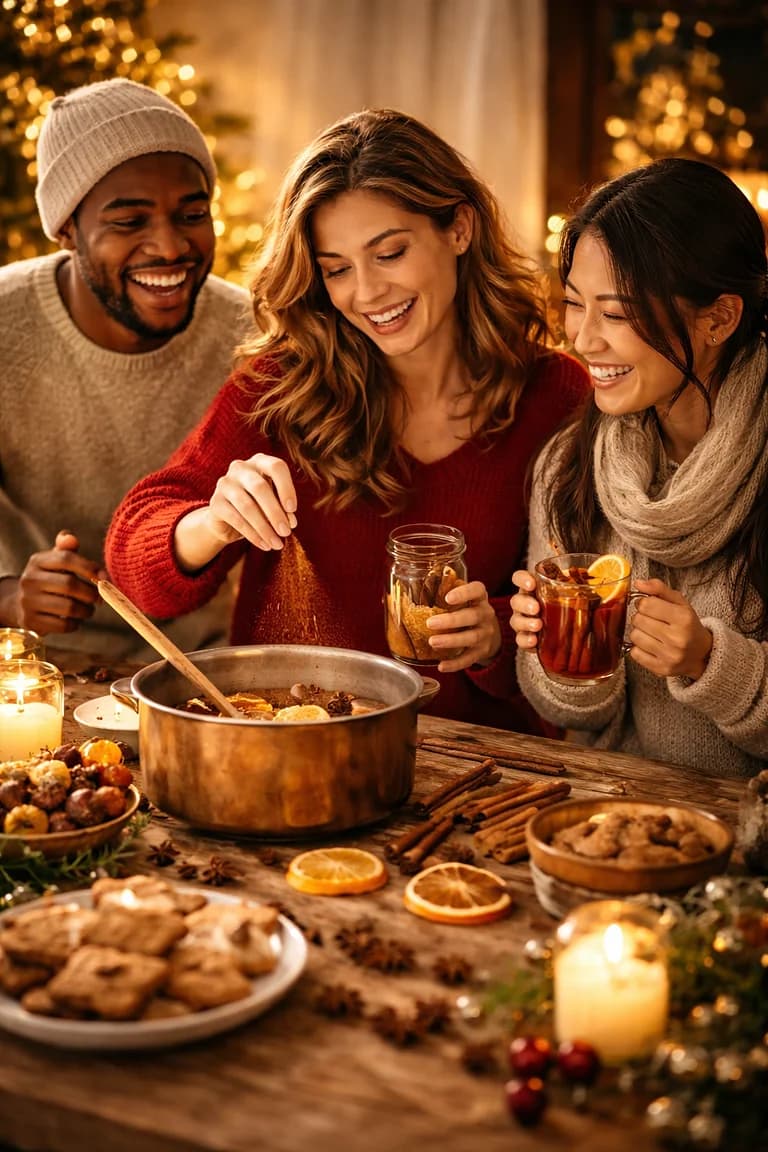
Coffee shops pump pumpkin spice. Kitchens smell of cloves. Wine is no longer just wine; it is infused with star anise and cinnamon sticks.
We accept this shift as "tradition." But why these specific flavors? Why not mint? Why not basil?
The answer lies at the intersection of biology and history.
The Biology of Warmth
Cinnamon, cloves, nutmeg, and ginger are classified as "warming spices."
This isn't just a metaphor. They contain compounds—like cinnamaldehyde in cinnamon—that are mild irritants. When consumed, they trigger a physical sensation of heat in the mouth and throat.
They are vasodilators. They increase blood flow, flushing the skin and literally warming the body from the inside out.
In the depths of winter, before central heating, a drink spiced with these ingredients was a survival tool. It was a way to trick the body into feeling safe against the cold.
The Scent of Wealth
For centuries, these spices were worth more than gold.
They traveled thousands of miles along the Silk Road. To serve a guest a dish or drink heavily laced with nutmeg was the ultimate flex. It signaled: I am wealthy enough to burn money for flavor.
Christmas, being the most important feast of the year, became the designated time to use these precious ingredients. We saved the best for the darkest days.
Preserving the Harvest
Before refrigeration, spices were preservatives.
Meat, fruits, and wines had to last through the winter. Cloves and cinnamon have antimicrobial properties that helped keep food safe. The flavor profile of "Christmas" began as the flavor profile of "preservation."
A Signal to the Brain
Today, we don't need cinnamon to survive the winter. But we need it to feel the winter.
The scent has become a Pavlovian trigger. One whiff of mulled wine, and our brain releases the chemicals associated with holidays, safety, and home.
We taste cinnamon, but we feel comfort.
Concepts explored
Drinks that support this ritual
Mulled Wine
A warm and aromatic spiced red wine, gently simmered with citrus and spices. The quintessential European winter warmer.
Good for Holiday parties
Classic Eggnog
A rich, creamy, spiced holiday drink closely tied to winter gatherings, shared celebrations, and Christmas traditions.
Good for Christmas evenings
Hot Toddy
A classic warm alcoholic drink, perfect for cold evenings or soothing a sore throat. Made with whiskey, honey, lemon, and hot water.
Good for Cold winter nights
How this story usually leaves readers feeling
warm • spicy • festive